
Archive Everything
I’ve been thinking about the creative habit of documenting everything. Not just the pretty moments or the breakthrough pieces, but the messy middle, the failed attempts, the conversations that sparked ideas three months later.
It’s easy to focus only on creating finished works and leave the scraps that we trim off on the cutting room floor, but the documentation habit is crucial for creatives. We think we’ll remember the important conversations, the pivotal moments, the lessons learned from projects that didn’t work out as planned. But memory is selective, and we tend to remember the polished version of events rather than the complicated reality.
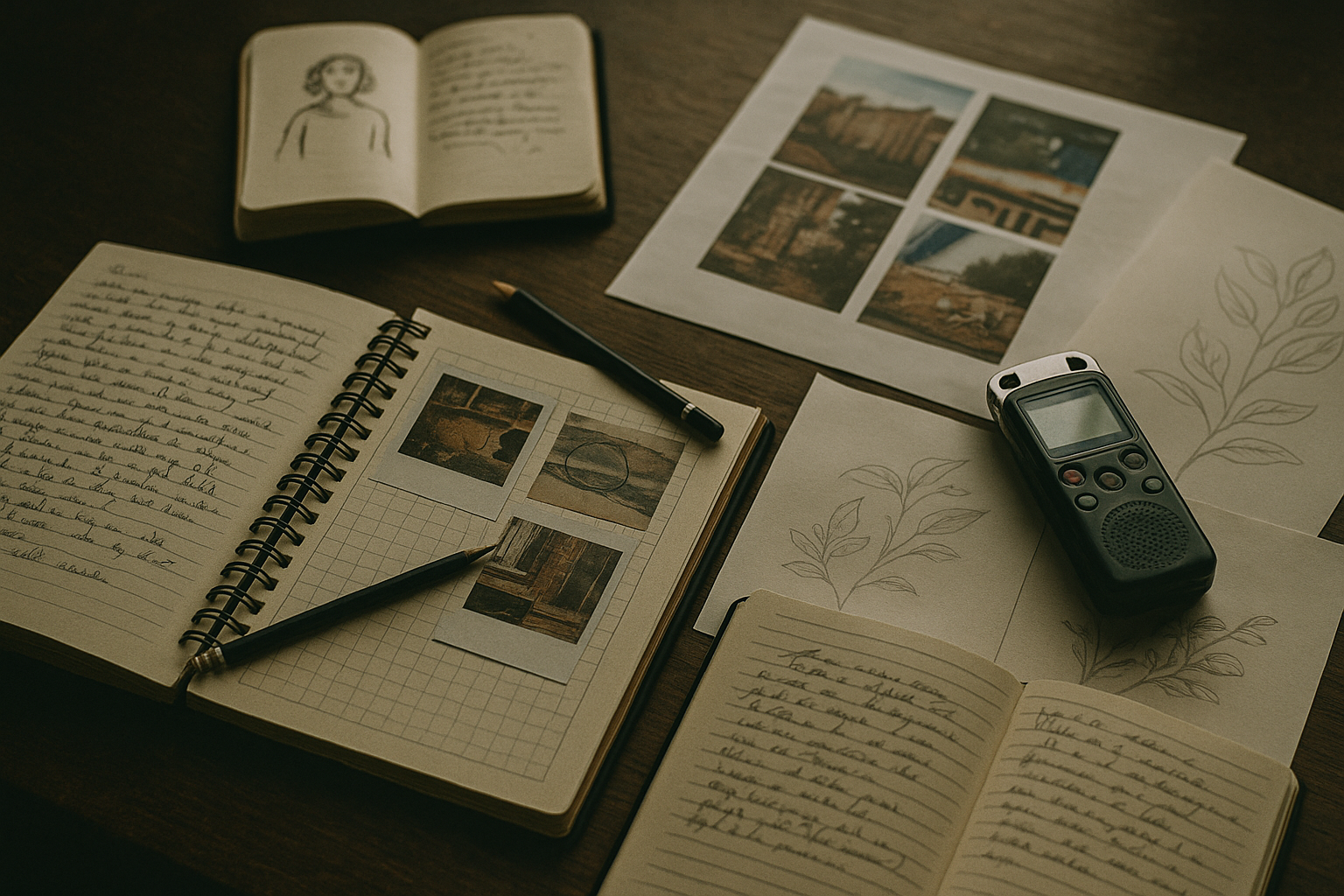
I started keeping what I call a “process archive” including notes from client meetings, screenshots of work in progress, even voice memos from the car after difficult conversations. Not for social media or portfolio purposes, but as a record of how things actually happen. How long decisions really take. What questions clients ask when they’re confused. Which collaborations energize me and which drain me.
The archive becomes a mirror. It shows you patterns you can’t see in the moment. Maybe you consistently underestimate how long certain types of projects take. Maybe you do your best work when you have one challenging constraint. Maybe the clients who seem most difficult up front end up being the most rewarding to work with.
For institutions and organizations, this documentation practice is even more critical. Too often, programs get launched with great fanfare, run for a month or a year, and then quietly disappear without anyone really examining what worked and what didn’t. The institutional memory gets lost when staff turnover happens.
It becomes all the more crucial to document the real process, not just the glossy final reports, but the messy middle conversations, the community feedback that changed your approach, the vendors who exceeded expectations and the ones who didn’t. You build something that can actually inform future decisions.
The archive isn’t about perfection. It’s about honesty. It’s about having a record of how things actually work, not how we wish they worked or how they look in press releases.
Start small. One note per day. One photo of work in progress. One voice memo capturing a thought you don’t want to lose. The archive builds itself over time, and eventually becomes one of your most valuable creative tools.