
Respecting the Cause and the Craft
Over the past few months, I’ve written about the pitfalls of undervaluing murals: The Cost of Exposure, the hard choices of Weighing the Value, and the nuts-and-bolts breakdown in How Mural Pricing Really Works.
This week, I had a real-world exchange that tied all of those ideas together.
A prospective client reached out about a new restaurant project that would be inside a place of worship. They wanted a mural for one of the walls and asked if I could connect them with an artist. But here was the catch: it would be pro-bono. Their pitch was that the artist could “seize the opportunity” to put their name on the wall, as if exposure was the payoff, along with doing a good deed.
Here’s part of how I responded:
“I want to be upfront that part of what I do is advocate for artists not to work for free. Even when it’s for a good cause, creating a mural costs them materials, time, and energy, and this is how they support their families (the same way you’ll be charging money for the food you sell in the restaurant). On my side, I also charge for my services because I bring value in curating the right artist, managing the process, and making sure the project really shines.
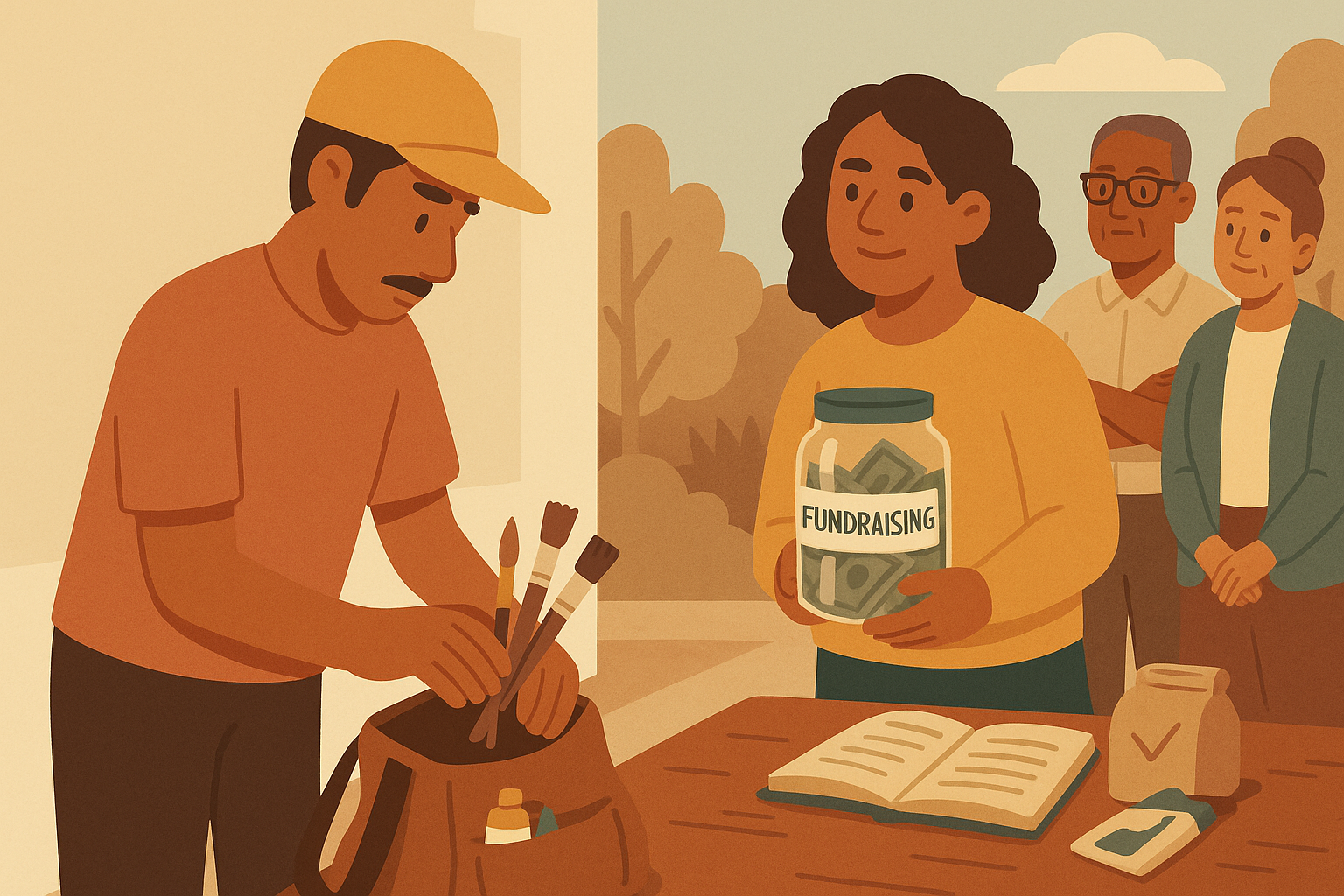
If you’re serious about having an inspiring wall, a better path would be to set a realistic budget. I’d be happy to help you organize a small fundraiser so you cover the costs and still keep the spirit of giving. That way the artist is respected, the community is engaged, and you still end up with something beautiful.”
This is exactly the tension I wrote about in The Cost of Exposure: good intentions don’t buy paint or cover rent. It’s also what I explored in Weighing the Value: sometimes the best choice is to walk away if the terms don’t align. And it reinforces the reality I laid out in How Mural Pricing Really Works: mural costs aren’t random, they’re rooted in materials, logistics, and the value of the craft itself.
Theory is one thing. But when theory meets practice—when you’re asked directly to source free labor—it’s a chance to stand by your values. In this case, I did. Respect for the cause is important. But respect for the craft is non-negotiable.