
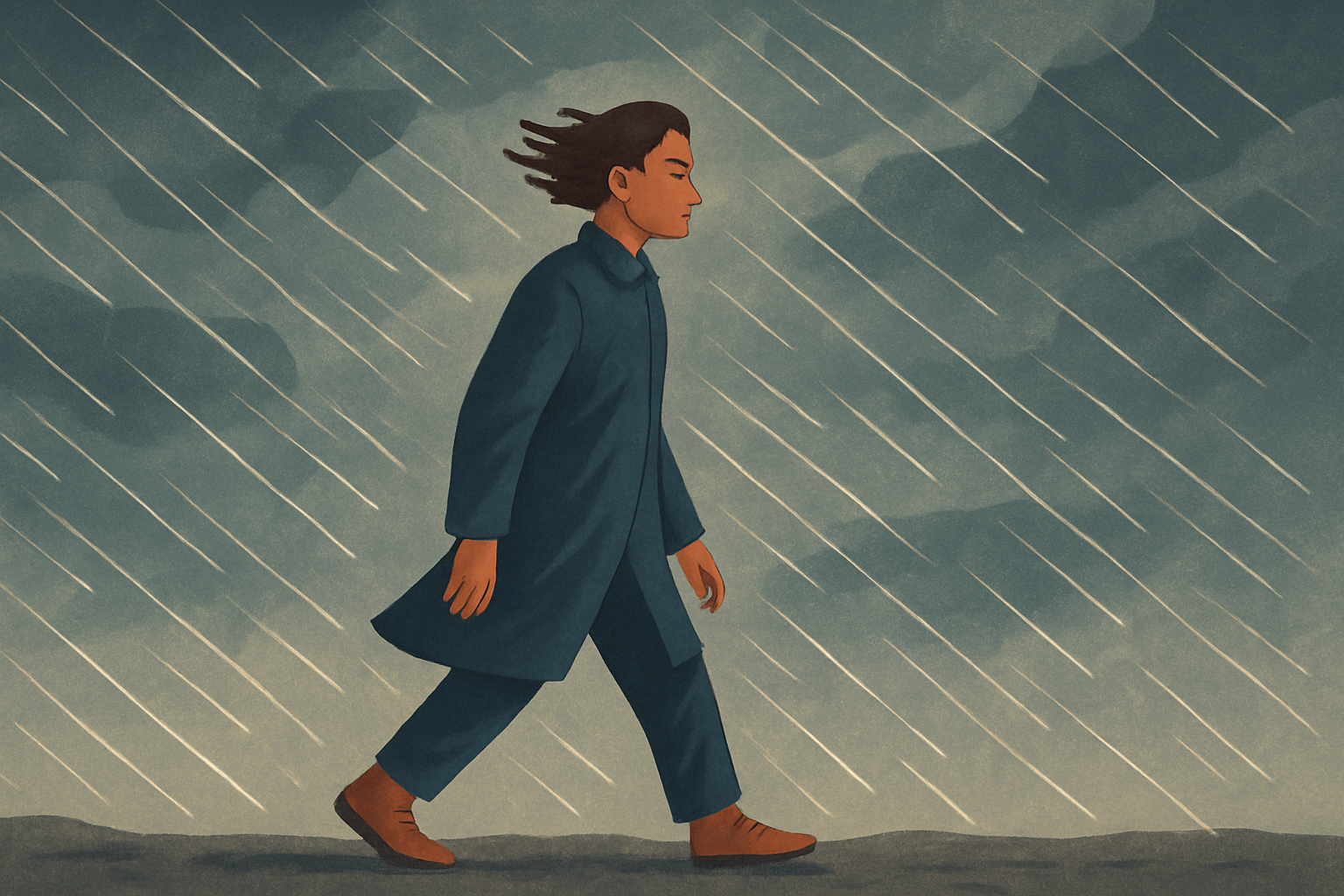
The Acceptance Paradox
Michael J. Fox said something during his interview on Marc Maron’s WTF Podcast that really struck a chord with me: “If you accept something, it doesn’t mean you can’t endeavor to change it. But you have to accept it first, to deal with it as a fact.”
The crux of his message is that you can’t fight effectively against something you haven’t acknowledged. Some treat acceptance like surrender, like giving up. Especially when it comes to people challenging their tightly held worldviews. But Fox, who knows something about dealing with unchangeable realities, suggests acceptance is actually the starting point for real change.
You can’t solve a problem you’re still pretending doesn’t exist. Acceptance isn’t resignation; it’s recognition. It’s the difference between shadowboxing and facing a real opponent. When you accept a situation as fact, you stop wasting energy on denial and start investing it in solutions. You move from “this shouldn’t be happening” to “this is happening, now what?” That shift changes everything.
He also gets into at another point in the conversation how “gratitude is what makes optimism sustainable.” Without gratitude, optimism becomes toxic positivity; a brittle cheerfulness that shatters at the first sign of real difficulty. But gratitude roots optimism in reality, finds genuine reasons for hope even in hard circumstances.
The paradox is that accepting reality makes you more powerful to change it, not less. When you stop fighting the facts, you can start working with them.