
The Cult of Busy
“How have you been?”
“Busy.”
It’s a default answer for so many of us now, and it’s often worn like a badge of honor. But being “busy” isn’t the same as being productive or fulfilled. More often, it’s a way to avoid deeper questions: What are we actually working toward? What really matters?
Nir Eyal, in his book Indistractable, makes a compelling case that busyness itself can be a form of distraction. Not from notifications or screens, but from the uncomfortable emotions we don’t want to face. He argues that most distractions, including filling every moment with meetings and tasks, are driven by an internal desire to escape discomfort: boredom, insecurity, uncertainty.
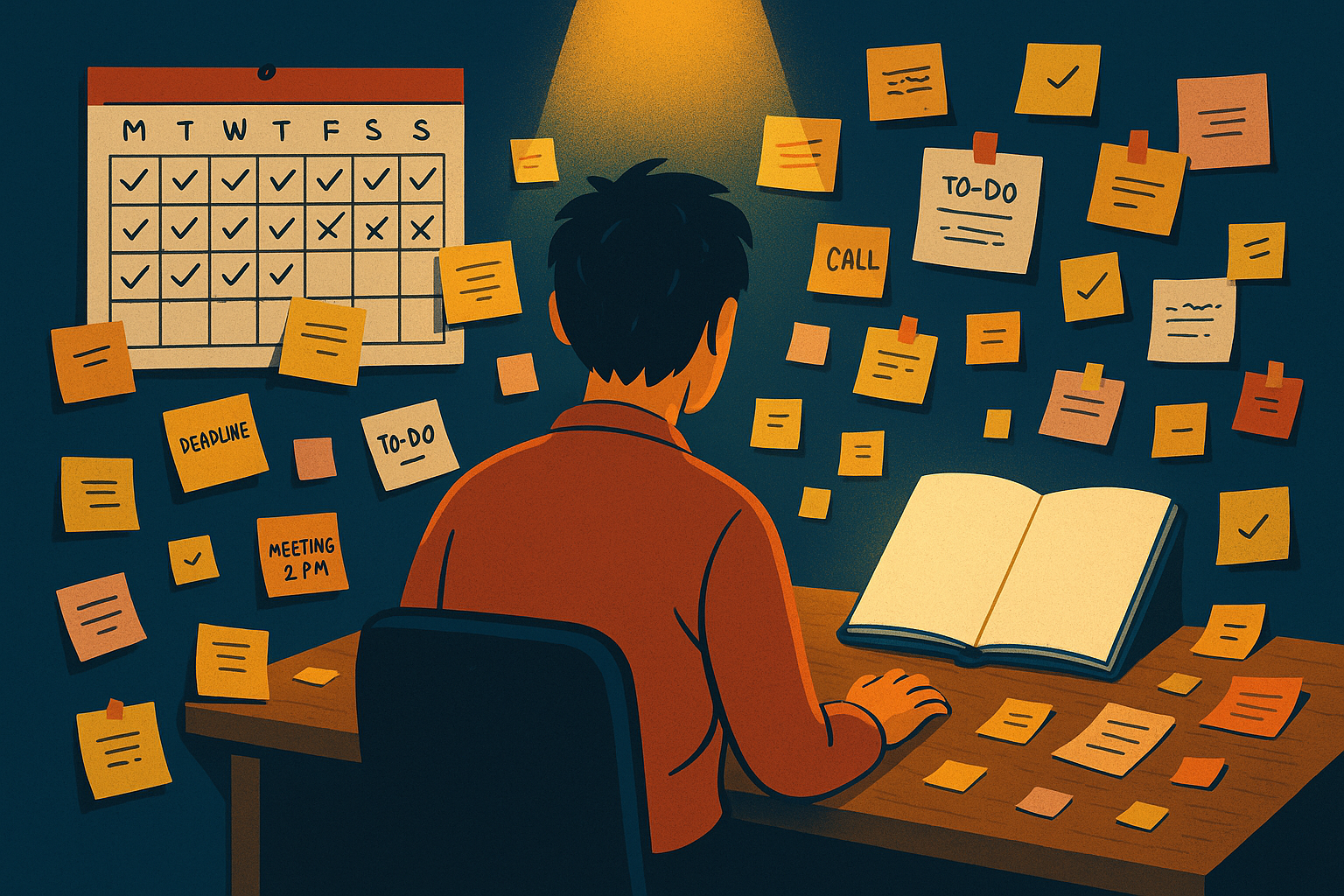
I’ve seen this in my own rhythms. Entire weeks filled with admin work, errands, and meetings; exhausting but ultimately unsatisfying. The surface looks productive, but the work that matters most (the creative work, the vulnerable work, the work that feels risky) gets postponed because it’s harder to sit with and doesn’t seem justifiable.
Indistractable reminds us that attention management is really emotion management. If we want to reclaim our focus, we have to get honest about why we’re defaulting to busy in the first place.
The next time I catch myself answering “busy” reflexively, I want to pause and ask:
Busy with what? And more importantly: Am I avoiding the very thing I care most about?
It’s not about eliminating all tasks, but about ensuring that the tasks aren’t just cover for deeper avoidance. Because “busy” shouldn’t be the goal. Meaningful work should.