
Build Something They Can’t Gate Off
It’s always the same names. The same curators. The same ZIP codes. Public art, funded by public money, serving private circles.
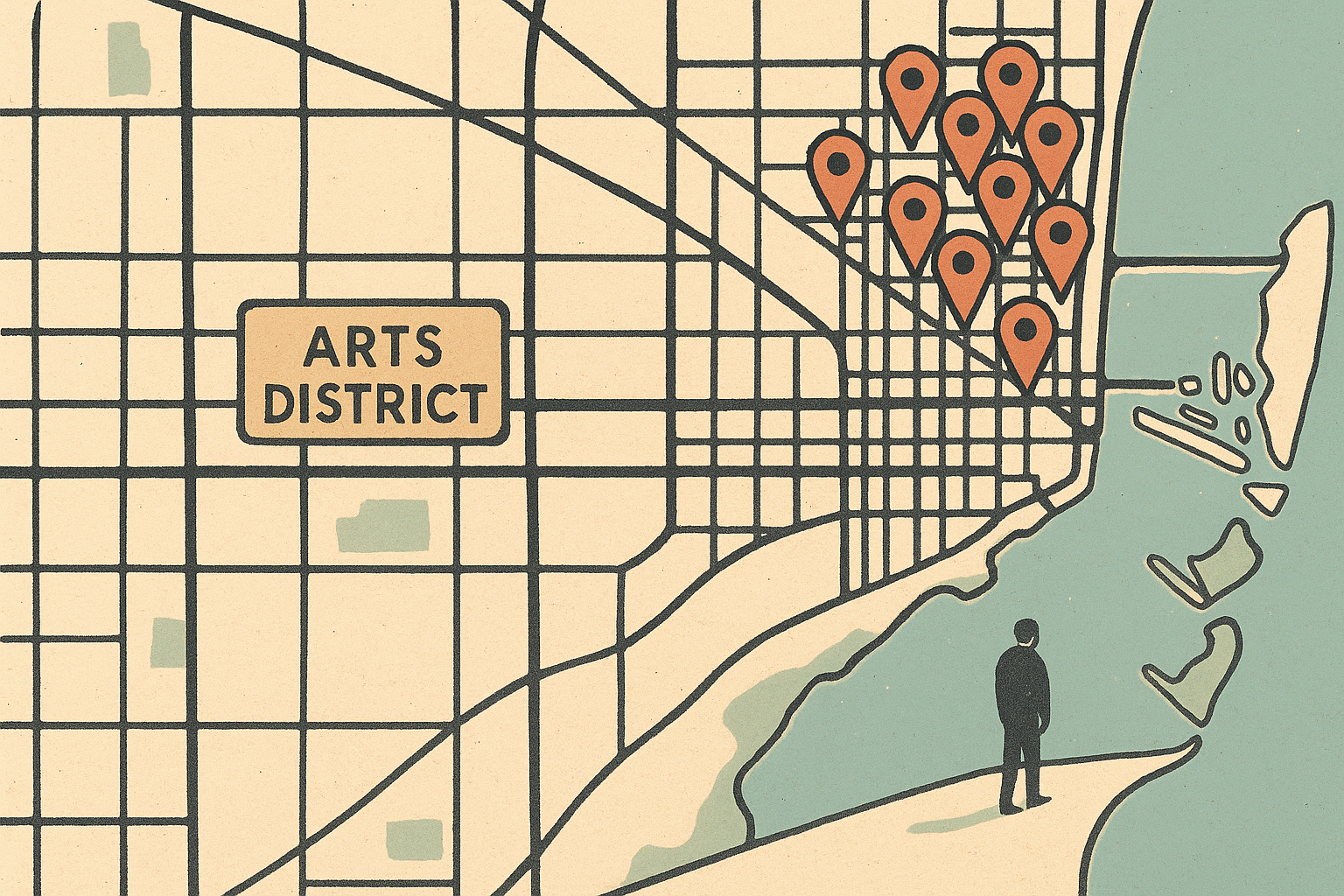
I used to think I just wasn’t good at filling out grant applications. Maybe my proposals needed more polish, or I wasn’t checking the right boxes. Then I started paying closer attention to the maps, the selection committees, the people being awarded grants. The game isn’t broken. It’s working exactly how it was built, just another system designed to favor the few over the many.
The judges went to the same schools and attend the same networking events. The “community input” sessions happen at 2 PM on weekdays when most people are working. The application process requires resources and connections that not everyone has access to. It’s a system designed to preserve the exclusivity it claims to fight against.
So artists like me get discouraged and look elsewhere. We seek support from private patrons, smaller organizations, or try to crowdfund directly. While the institutional channels stay locked, we find ways to survive. We create art that actually speaks to people’s lives instead of fitting someone else’s curated vision.
The door was never meant to open for everyone. But maybe that’s okay. Maybe the real art is happening in spaces they don’t control. Maybe the future of public art isn’t about convincing gatekeepers to let us in, but about building something they can’t gate off.
The work that changes things rarely comes from the inside anyway.