
What Bad Projects Teach You That Good Ones Can’t
Not every project goes smoothly, but whether we see them as opportunities for learning and growth, or lose ourselves in the frustration is up to us.
Most creatives will encounter a job that becomes more complicated than it seemed at first glance: misaligned expectations, poor communication, delays, scope creep, budget constraints, or unforeseen logistical challenges. When you’re in the middle of one of these messy projects, it can feel like a failure, but looking back, they’re often where the most growth happens.
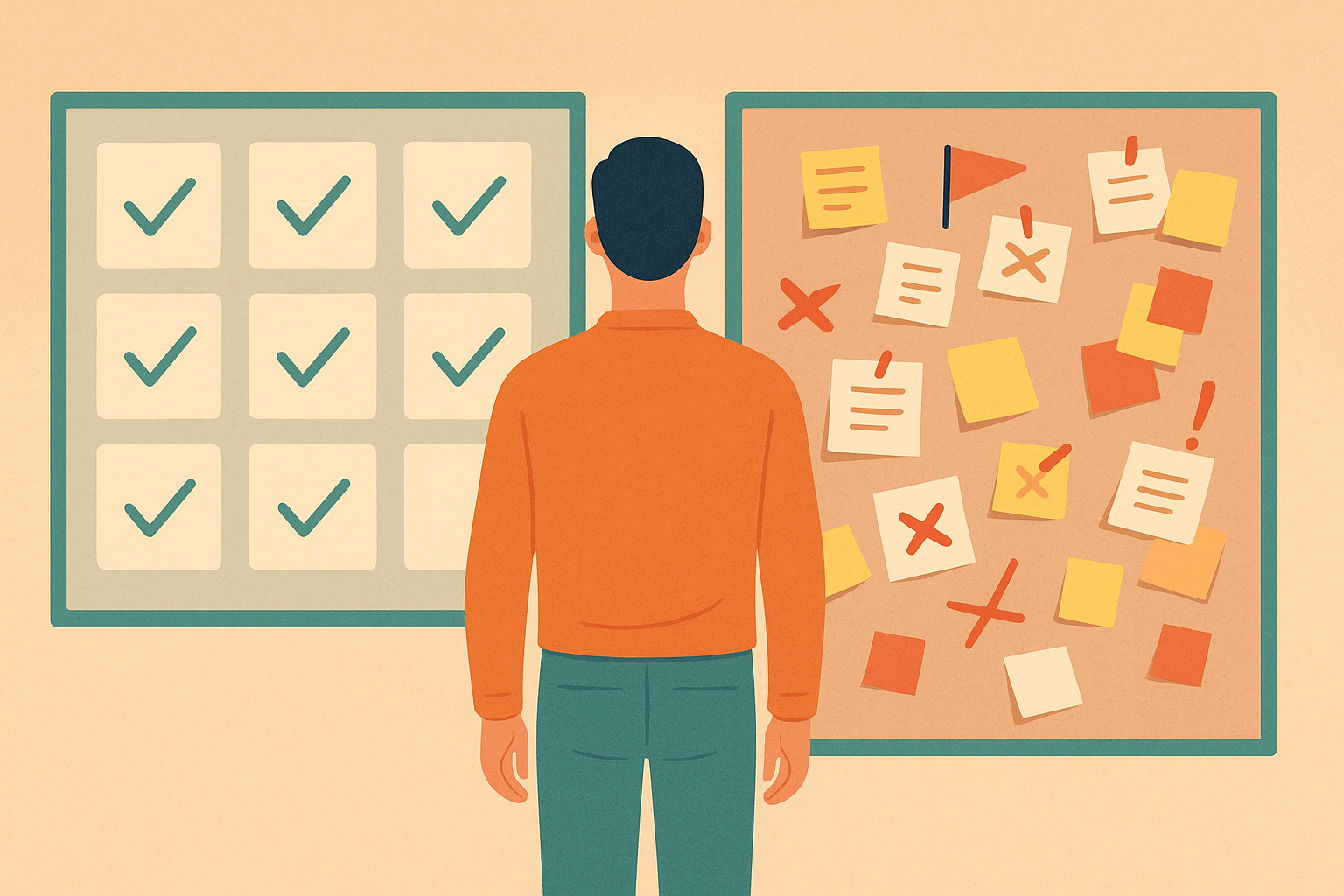
Good projects affirm what you already know. Challenging ones highlight your blind spots. They reveal where your systems, contracts, and communication habits could improve. They force you to learn how to set clearer boundaries, negotiate timelines and deliverables, and manage relationships under pressure.
They also test your emotional endurance. Can you maintain your professionalism when things get tense? Can you adjust gracefully when plans change? Can you manage your own expectations and those of your collaborators or clients?
While it’s tempting to measure success by how frictionless a project feels, there’s a different kind of success in surviving and learning from the difficult ones. Those tough experiences leave you with more resilience, sharper instincts, and stronger infrastructure for your future work.
If you approach them with curiosity rather than just frustration, every bad project becomes a training ground. It’s not about seeking out difficulty, but about embracing the hard-earned wisdom it offers.
Worth mentioning though, if you’re seeking to lubricate some of that potential friction, you can always hire us to help make things go smoothly.