
Write First, Pitch Later
For a long time now, I would only muster up the courage to interview someone if I had an assignment. A deadline, an editor, a promised byline. That external pressure and validation gave me the push I needed to dig into people’s stories and put proverbial pen to paper.
Back when I was running my podcast, it was enough to sit down and have a deep conversation with someone just for the sake of putting it out to the dozens or hundreds that would tune in on Jolt Radio. It fulfilled me in ways I couldn’t have anticipated before I started; sitting across from someone, seeing them deeply, capturing their energy in real time. I stopped the podcasts when the pandemic hit, and got wrapped up in life for years after, unable to make the effort (or financial investment) required to get them back up and running.
Then, a couple years ago, came my role as a contributor for Miami New Times. That work has been rewarding in its own right. Finally getting paid for my writing, finally attaching some credibility to my voice. But the reality is, there are only so many slots on the editorial calendar, only so much bandwidth I can dedicate if I want to do those stories well.
So I’ve decided to flip the script, as it were. Write first, pitch later. Follow my curiosity, even if I don’t yet know where the story will land.
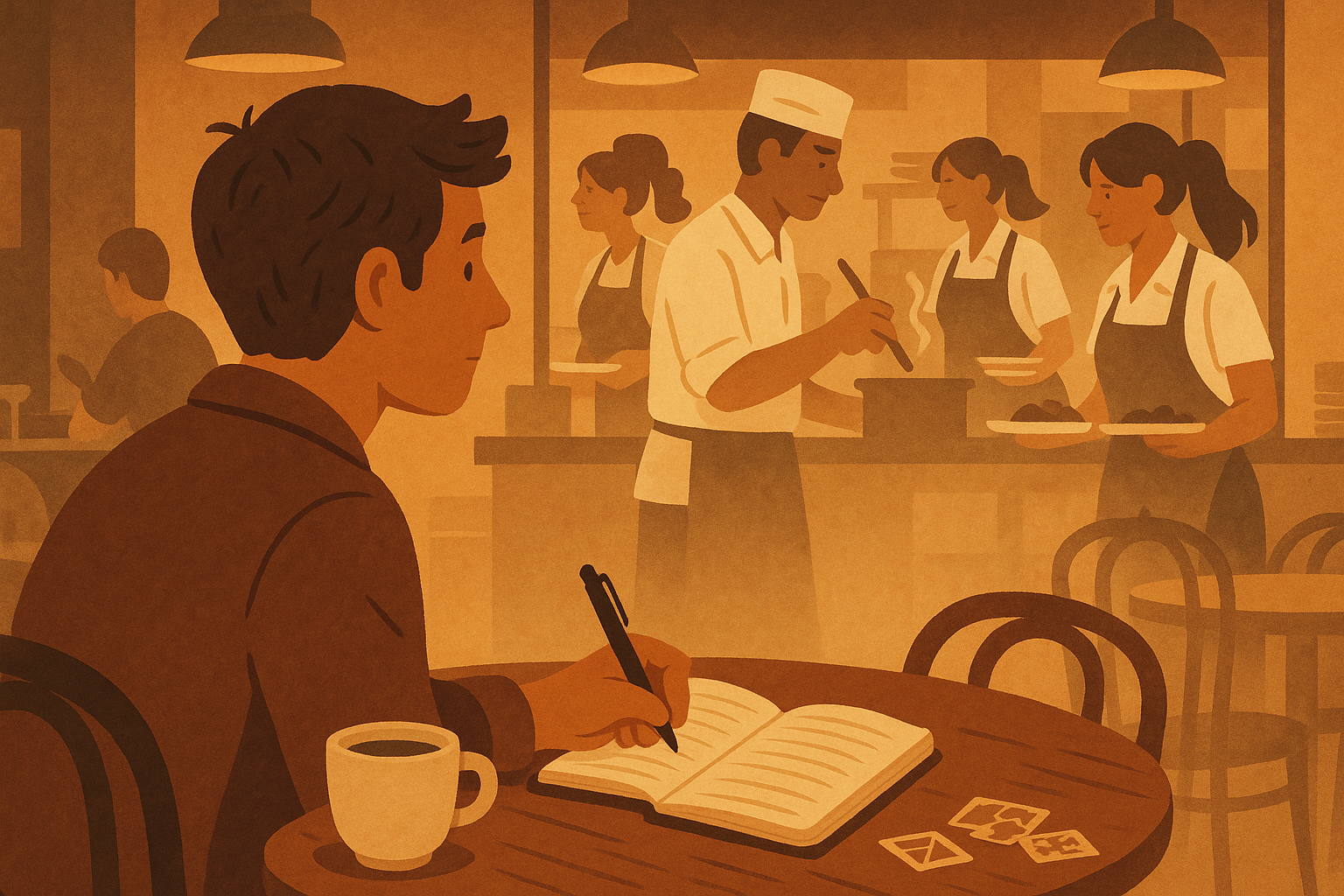
Case in point: a dinner at Mignonette. I hadn’t been in a couple of years (seafood never really played a big role in my diet, thanks to a childhood aversion) but this night floored me. The service, the atmosphere, the team. Tyson, the executive chef, moving effortlessly across the floor. Ashley, the GM, jumping in wherever needed, including to finish off dishes before they went out to patrons. Servers like Freddy treating every table like it mattered. It wasn’t just competence, it was fulfillment radiating in how they carried themselves. That’s rare in the restaurant industry, let alone in Miami.
I messaged chef-owner Daniel Serfer afterwards to share my impressions. His reply was simple but telling: “I try and take care of everyone well as I can.” And clearly, it shows.
I realized in that exchange why I need to make space for this work. To sit with people, not because an editor assigned it, but because they’re quietly excelling at their craft in a way worth documenting. To tell them, and anyone else listening, that the way they’re doing things matters.
This isn’t about chasing assignments. It’s about giving myself permission to notice, to explore, and to write anyway.